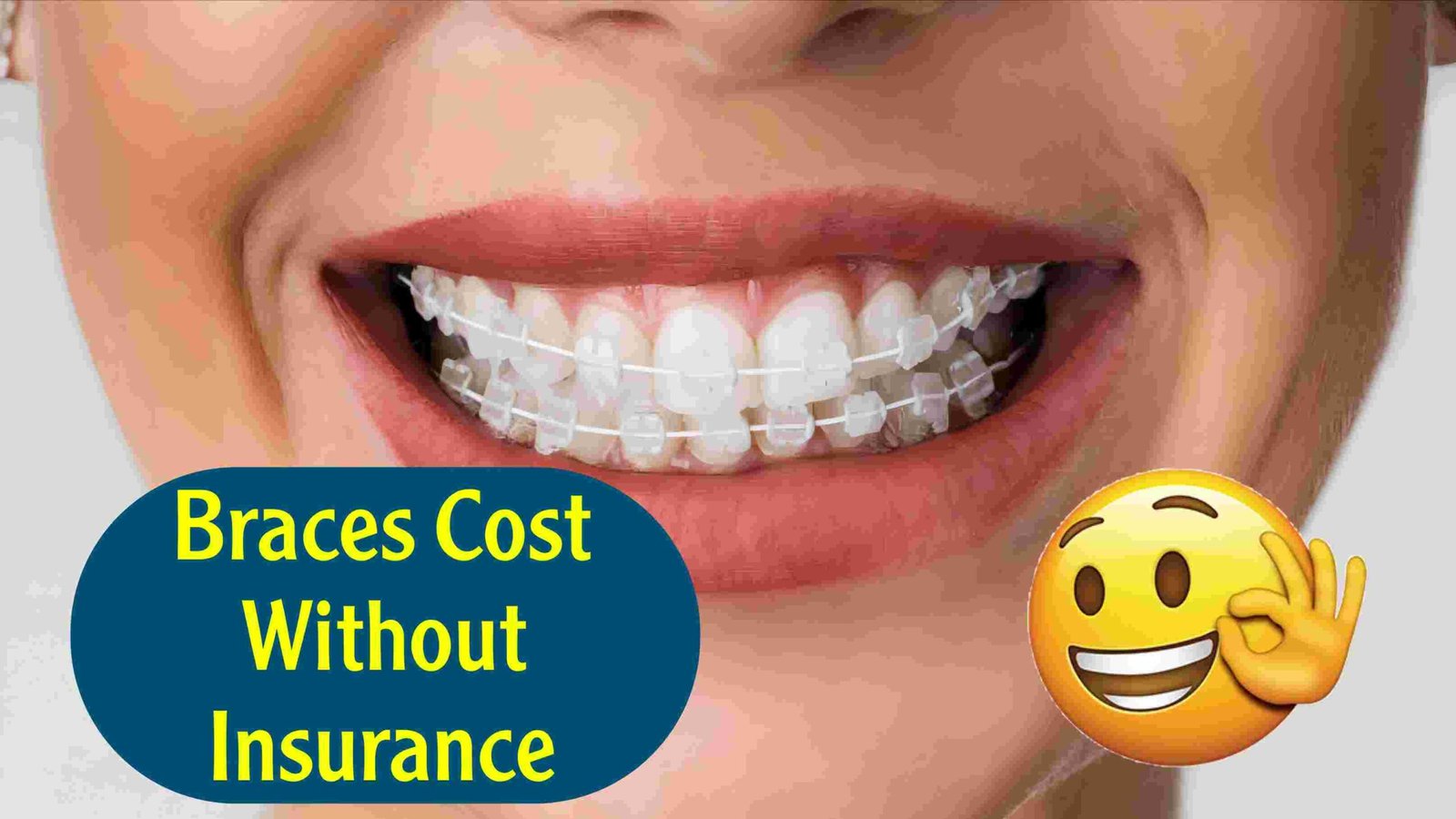
How Much Do Braces Cost Without Insurance? The Ultimate Guide to Orthodontic Expenses
If you have ever looked in the mirror and wished for a straighter smile, you are not alone. Millions of Americans seek orthodontic treatment every year. However, for many, the very first hurdle isn’t the fear of the dentist or the discomfort of the wires—it’s the price tag. When you don’t have dental insurance to cushion the blow, the cost of braces can feel like a daunting mountain to climb.
In this exhaustive guide, we are going to break down exactly how much braces cost without insurance in the United States. We will look at the different types of braces, the hidden fees you might not expect, and, most importantly, how you can afford a million-dollar smile without actually spending a million dollars.
1. The Realities of Orthodontic Costs in America
The average cost of braces in the U.S. typically ranges from $3,000 to $10,000. Yes, that is a wide margin. The reason for this variance is that “braces” is an umbrella term for a variety of different medical devices and treatment plans.
Without insurance, you are responsible for 100% of the “sticker price.” While this sounds intimidating, it also gives you more control over choosing a provider based on their direct pricing and payment flexibility rather than their insurance network status.
2. Breakdown by Type: What Are You Paying For?
Not all braces are created equal. The material, the technology, and the visibility of the hardware all play a role in the final invoice.
Traditional Metal Braces
Estimated Cost: $3,000 – $7,000
These are the silver brackets and wires we all recognize. They are the “tried and true” method.
- Why they cost this much: They are generally the most affordable because the materials are less expensive and the application process is standardized.
- Pros: Most effective for complex dental issues; often the fastest treatment time for severe cases.
- Cons: Very visible; can be uncomfortable on the cheeks and lips.
Ceramic Braces
Estimated Cost: $4,000 – $8,000
Also known as “clear braces,” these function like metal braces but use tooth-colored or clear ceramic brackets.
- The Price Jump: Ceramic material is more fragile and harder to manufacture than stainless steel. The brackets are also slightly larger.
- Pros: Far less noticeable than metal.
- Cons: Brackets can chip more easily; the clear ties can stain if you drink a lot of coffee or tea.
Lingual Braces
Estimated Cost: $8,000 – $10,000+
These are truly invisible because they are attached to the back (lingual side) of your teeth.
- Why the high cost? Lingual braces require specialized training for the orthodontist and custom-made brackets for each tooth. Adjustments take longer and are more technically difficult.
- Pros: Completely hidden from view.
- Cons: They can affect speech; they are the most expensive option.
Clear Aligners (Invisalign, etc.)
Estimated Cost: $4,000 – $7,000
These are removable plastic trays that gradually shift your teeth.
- Cost Factors: You are paying for the proprietary technology and the series of custom trays manufactured in a lab.
- Pros: Removable for eating and cleaning; nearly invisible.
- Cons: Requires extreme discipline (must be worn 22 hours a day); not suitable for all complex cases.
3. Factors That Influence Your Personal Quote
Why did your neighbor pay $4,000 while you were quoted $6,500? Orthodontic pricing isn’t a “one size fits all” situation.
Geographic Location
If you live in a high-cost-of-living area like New York City, San Francisco, or Chicago, expect to pay significantly more than you would in a rural area or a smaller Midwestern town. Overhead costs for the practice—like rent and staff salaries—are passed on to the patient.
Complexity of the Case
A simple gap between two front teeth is much cheaper to fix than a “Class II Malocclusion” (a severe overbite) or impacted teeth that require surgical exposure. The more work the orthodontist has to do, the more you pay.
Duration of Treatment
Most quotes are based on the estimated time you will spend in the chair. A 12-month treatment plan will naturally cost less than a 36-month plan because it requires fewer office visits and fewer sets of wires or aligners.
The Orthodontist’s Experience
A “Diamond Level” Invisalign provider or a board-certified orthodontist with 30 years of experience may charge a premium. While it costs more, you are paying for expertise that can prevent long-term damage or the need for “re-treatment” later.
4. The “Hidden” Costs You Need to Budget For
When an orthodontist gives you a quote, ask if it is “all-inclusive.” Often, there are ancillary costs that can add $500 to $1,500 to your total.
- Initial Consultation: Some offices offer this for free, but some charge between $100 and $200.
- Diagnostic Records: This includes X-rays (panoramic and cephalometric), 3D scans, and digital photos. This can cost $200 – $500.
- Pre-Orthodontic Work: Do you have cavities? Do you need a deep cleaning? Do you need wisdom teeth removed? These must be handled before braces go on.
- Emergency Visits: If you poke a wire or break a bracket, find out if the repair visit is free or if there is a “re-bonding” fee.
- Retainers: Once the braces come off, you must wear a retainer. Sometimes the first set is included, but replacements can cost $200 – $600.
5. How to Afford Braces Without Insurance
Don’t let the lack of insurance stop you. There are several strategic ways to manage the cost.
In-House Financing
Most orthodontists are basically banks. They know most people can’t drop $5,000 at once. Many offer 0% interest financing. You pay a down payment (usually $500 – $1,500) and then monthly installments over the course of your treatment.
Third-Party Healthcare Credit
Services like CareCredit or LendingPoint allow you to finance medical procedures. Be careful with these; while they often offer “no interest if paid within X months,” the interest rates skyrocket if you miss a payment or don’t finish by the deadline.
HSA and FSA Funds
If you have a Health Savings Account (HSA) or Flexible Spending Account (FSA) through your employer, you can use these pre-tax dollars to pay for braces. This can effectively “save” you 20–30% depending on your tax bracket.
Dental Schools
If you live near a university with a dental school, you can get treatment from orthodontic residents (who are supervised by experienced professors). The cost is often 30% to 50% lower than a private practice. The only downside is that appointments take much longer.
Shop Around
Orthodontic quotes are not set in stone. It is perfectly acceptable to get 2 or 3 consultations. You might find that one doctor has a more conservative approach that costs less, or another has a more flexible payment plan.
6. Is the Investment Worth It?
Beyond the cosmetic benefit, braces are a functional health investment.
- Easier Cleaning: Straight teeth are easier to brush and floss, reducing the risk of gum disease and expensive root canals later in life.
- Digestion: Properly aligned teeth allow you to chew food more efficiently.
- Preventing Wear: Misaligned teeth often grind against each other, leading to premature tooth wear and TMJ (jaw) issues.
Advice from xyzhelp.com
Navigating the world of orthodontics without a safety net can feel overwhelming, but at xyzhelp.com, we believe that financial status should never be a barrier to self-confidence and health.
Our top recommendation is to focus on The Down Payment Strategy. Many orthodontists are willing to lower the total contract price if you can provide a larger down payment upfront. If you can save up $2,000 before your first appointment, you might be able to negotiate a 10% “pay-in-full” or “large-deposit” discount.
Additionally, always ask for an Itemized Quote. Ensure you know exactly what happens if you lose your retainer or if your treatment goes six months over the estimated time. Knowledge is your best leverage. Don’t be afraid to ask for a “hardship discount” or “multi-family discount” if you have more than one child needing work.
A straight smile is an asset that lasts a lifetime—treat it as a marathon, not a sprint. Take your time to find a provider who values your financial health as much as your dental health.
