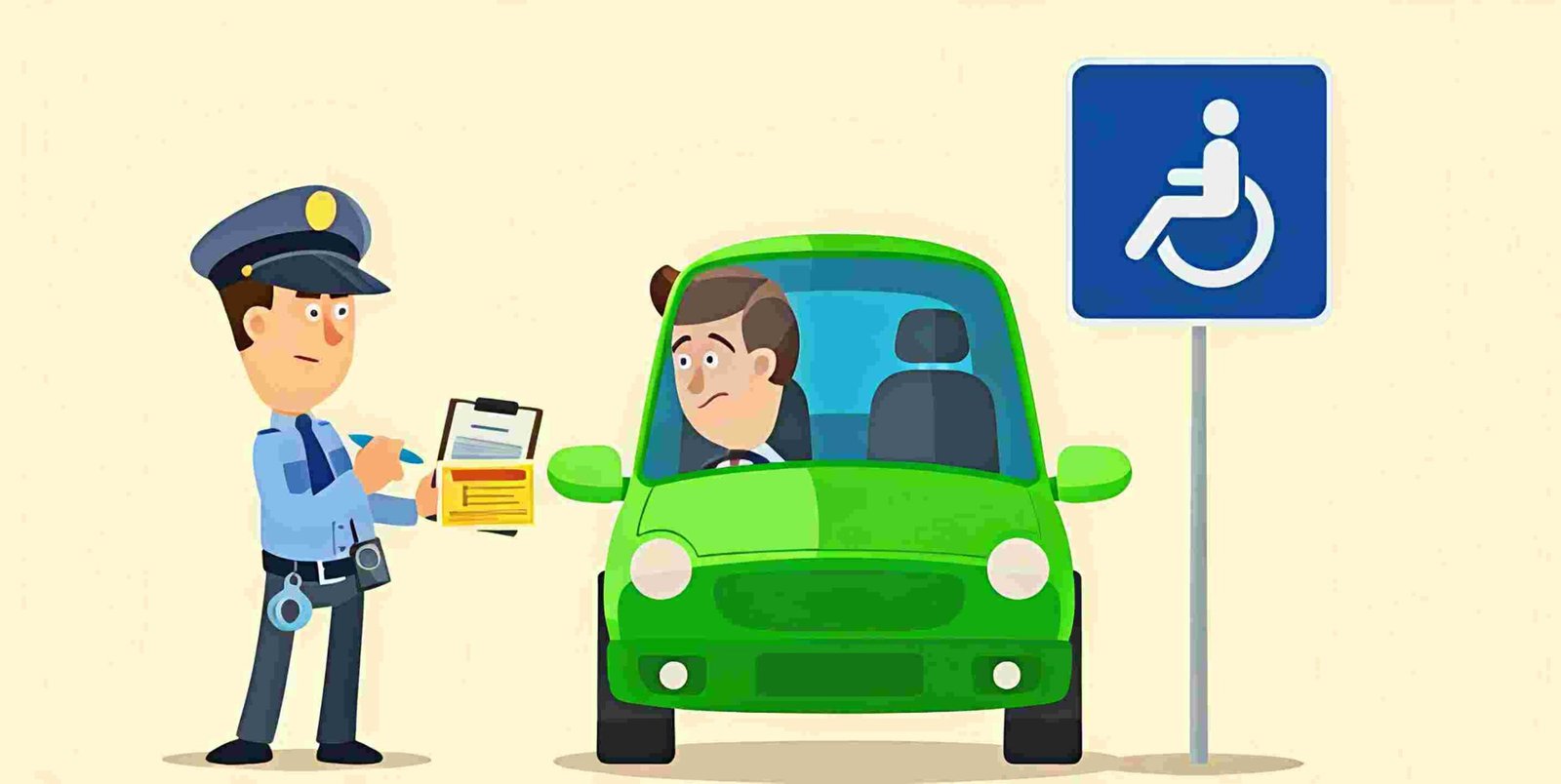
Is It Illegal to Drive Without Insurance? The Ultimate Guide to U.S. Auto Insurance Laws and Consequences
Driving a car is often seen as a symbol of freedom in the United States. From the wide-open highways of Texas to the bustling streets of Manhattan, the automobile is the backbone of American mobility. However, that freedom comes with a significant weight of responsibility. One of the most critical responsibilities—and a question that millions of drivers ask every year—is: Is it illegal to drive without insurance?
The short answer is a resounding yes in almost every corner of the country. But the long answer is far more complex, involving a web of state-mandated requirements, varying penalties, financial risks, and long-term legal repercussions.
In this comprehensive guide, we will break down everything you need to know about the legality of driving without insurance, why these laws exist, and what happens if you decide to take the risk.
1. The Core Legal Requirement: Financial Responsibility
In the United States, “financial responsibility” is the legal term that governs auto insurance requirements. The government wants to ensure that if you cause an accident, you have the financial means to pay for the damages or injuries you inflict on others.
While the specific laws vary by state, the fundamental principle remains the same: If you operate a motor vehicle on public roads, you must be able to prove that you can cover the costs of a potential crash. For the vast majority of Americans, the only way to satisfy this requirement is by purchasing an auto insurance policy.
The 49-State Rule
Currently, 49 out of 50 states (plus the District of Columbia) mandate that drivers carry a minimum amount of liability insurance. New Hampshire is the only state that does not strictly require auto insurance, but even there, the law is tricky. If a New Hampshire driver is found at fault in an accident and cannot pay for the damages, their license can be suspended until they provide proof of future financial responsibility (usually through an SR-22 filing).
2. Why Is Auto Insurance Mandatory?
The primary reason for mandatory insurance isn’t to protect you or your car; it’s to protect the public. When an uninsured driver causes a collision, the victims are often left with massive medical bills and repair costs that they cannot afford. Mandatory insurance creates a safety net that ensures innocent parties are compensated for their losses.
From a macroeconomic perspective, uninsured drivers drive up the cost of insurance for everyone else. When insurance companies have to pay out “Uninsured Motorist” claims to their own policyholders, they often raise premiums to cover those losses. By making insurance mandatory, states attempt to stabilize the market and lower the overall financial burden on society.
3. Minimum Liability Requirements Explained
When we talk about the “legality” of insurance, we are specifically talking about Liability Coverage. This is composed of two main parts:
- Bodily Injury Liability: Covers the medical expenses, lost wages, and pain and suffering of the people you injure in an accident.
- Property Damage Liability: Covers the cost of repairing or replacing the other person’s vehicle or property (like a fence or storefront) that you hit.
Understanding the Numbers (e.g., 25/50/25)
State laws often express requirements in a three-number format. For example, a 25/50/25 policy means:
- $25,000 for bodily injury per person.
- $50,000 for total bodily injury per accident (if multiple people are hurt).
- $25,000 for property damage.
If you carry less than your state’s minimum, you are technically driving “uninsured” or “underinsured,” which is illegal.
4. State-by-State Breakdown: A Closer Look
Each state has the authority to set its own rules. Below is a look at how some major states handle insurance mandates:
California
California is known for strict enforcement. Under the California Vehicle Code, you must carry evidence of financial responsibility at all times. If you are caught driving without it, your car can be impounded on the spot.
Texas
Texas utilizes a real-time database called “TexasSure.” When a police officer pulls you over, they can see instantly whether your vehicle is covered. There is no “I forgot my card at home” excuse that works in the Lone Star State anymore.
Florida
Florida is a “No-Fault” state. This means that regardless of who caused the accident, your own insurance pays for your medical bills (up to a limit) through Personal Injury Protection (PIP). However, you are still required to carry Property Damage Liability.
New York
New York has some of the highest insurance requirements in the country. Failure to maintain insurance results in an immediate suspension of both your driver’s license and your vehicle registration.
5. The Immediate Consequences of Being Caught
If you are pulled over or involved in an accident and cannot provide proof of insurance, the consequences start immediately.
Traffic Citations and Fines
First-time offenders can expect fines ranging from $100 to $1,500, depending on the state. In some jurisdictions, subsequent offenses can lead to fines exceeding $5,000.
License and Registration Suspension
Most states will suspend your driving privileges. To get your license back, you will often have to pay a “reinstatement fee” and show proof that you have purchased a new policy.
Vehicle Impoundment
In many states, officers have the discretion to tow your car if you are uninsured. You will be responsible for the towing fees and daily storage fees, which can add up to hundreds of dollars in just a few days.
The “SR-22” Requirement
If you are caught driving without insurance, the state may label you a “High-Risk Driver.” You will be required to have your insurance company file an SR-22 form with the DMV. This is a certificate of financial responsibility that proves you are maintaining the required coverage. Having an SR-22 on your record can double or triple your insurance premiums for three to five years.
6. Criminal Penalties: Can You Go to Jail?
While driving without insurance is usually a civil infraction (like a speeding ticket), it can escalate to a criminal offense in certain scenarios.
- Repeat Offenses: If you are caught three or four times without insurance, a judge may view it as a “willful disregard for the law,” which can lead to jail time.
- Accidents with Injuries: If you cause an accident that results in serious injury or death while uninsured, you could face felony charges in some states.
- Fraud: Providing a fake or forged insurance card to a police officer is a serious crime (forgery or tampering with public records) that almost always carries the threat of imprisonment.
7. The Financial Nightmare: Civil Liability
The “illegal” aspect of driving without insurance is only half the story. The financial aspect is often much worse.
Personal Assets at Risk
If you are at fault in an accident and don’t have insurance, the victim can sue you personally. This means your savings, your future wages (via garnishment), and even your home could be used to pay for the damages. In a world where a single hospital stay can cost $50,000, driving uninsured is essentially gambling with your entire financial future.
”No Pay, No Play” Laws
Several states (including Louisiana, Michigan, and New Jersey) have “No Pay, No Play” laws. These laws prevent uninsured drivers from suing for “non-economic” damages (like pain and suffering), even if the other driver was 100% at fault. Essentially, if you don’t contribute to the insurance pool, you don’t get to benefit from the full protections of the legal system.
8. Common Myths About Driving Without Insurance
There is a lot of misinformation circulating about insurance requirements. Let’s debunk a few common myths:
Myth #1: “I’m only driving a block to the grocery store, so I don’t need it.”
Reality: The law does not care about distance. You are required to be insured the second your tires touch a public road. Most accidents actually happen within 25 miles of home.
Myth #2: “It’s not my car, so I’m not responsible.”
Reality: In most states, insurance follows the vehicle, but the driver is also responsible for ensuring the vehicle they are operating is legal. If you borrow a friend’s uninsured car, you both could face penalties.
Myth #3: “I have a clean record, so the judge will let me off.”
Reality: While a judge might reduce a fine, they cannot waive the state’s requirement for a license suspension or an SR-22 filing in many jurisdictions. Insurance laws are often “strict liability,” meaning your intent doesn’t matter.
9. How to Stay Legal When You’re on a Budget
We understand that insurance can be expensive. However, the cost of a policy is always lower than the cost of a legal battle. Here is how to stay compliant without breaking the bank:
- Shop Around: Use comparison websites to get quotes from multiple carriers.
- Increase Your Deductible: If you have an older car, increasing your deductible can significantly lower your monthly premium.
- State Programs: Some states, like California, have “Low Cost Automobile Insurance Programs” for residents who meet certain income requirements.
- Telematics: Many companies offer discounts if you allow them to track your driving habits via a mobile app.
10. Special Situations: Parked Cars and Storage
Does a car need insurance if it isn’t being driven?
If the car is parked on a public street, it almost always requires insurance and valid registration. If the car is stored in a private garage and you have turned in the license plates to the DMV, you may be able to drop the insurance. However, always check with your local DMV first, as “lapses in coverage” can lead to fines even if the car was stationary.
11. The Long-Term Impact on Your “Insurability”
Insurance companies love “continuous coverage.” If you have a gap in your insurance history—even if you weren’t driving during that time—companies see you as a higher risk. When you finally go to buy insurance again, your rates will be much higher than if you had maintained a basic policy. This “lapse penalty” is one of the hidden costs of driving uninsured.
12. Conclusion: The Final Verdict
Is it illegal to drive without insurance? Yes. Is it worth the risk? Never.
The legal system in the United States is designed to ensure that the costs of accidents are borne by the people who cause them. By choosing to drive without insurance, you are putting your license, your freedom, and your financial stability on the line. One mistake behind the wheel could lead to a lifetime of debt and legal headaches.
Advice from xyzhelp.com
At xyzhelp.com, we have seen countless drivers struggle with the aftermath of an uninsured motorist citation. Our advice is simple: Never operate a vehicle without at least the state-minimum liability coverage.
If you are currently uninsured:
- Stop driving immediately. The risk of a “hit-and-run” or a simple fender bender is too high.
- Contact an independent agent. They can help you find “non-owner” insurance or basic liability policies that fit your budget.
- Check for lapses. If your insurance was canceled for non-payment, call your carrier immediately. They may allow you to “reinstate” the policy if you pay the balance, which looks better on your record than a total cancellation.
Stay safe, stay legal, and protect your future by staying insured.
Disclaimer: This article is for informational purposes only and does not constitute legal advice. Laws vary by state and are subject to change. Always consult with a licensed insurance professional or an attorney in your jurisdiction for specific legal guidance.
