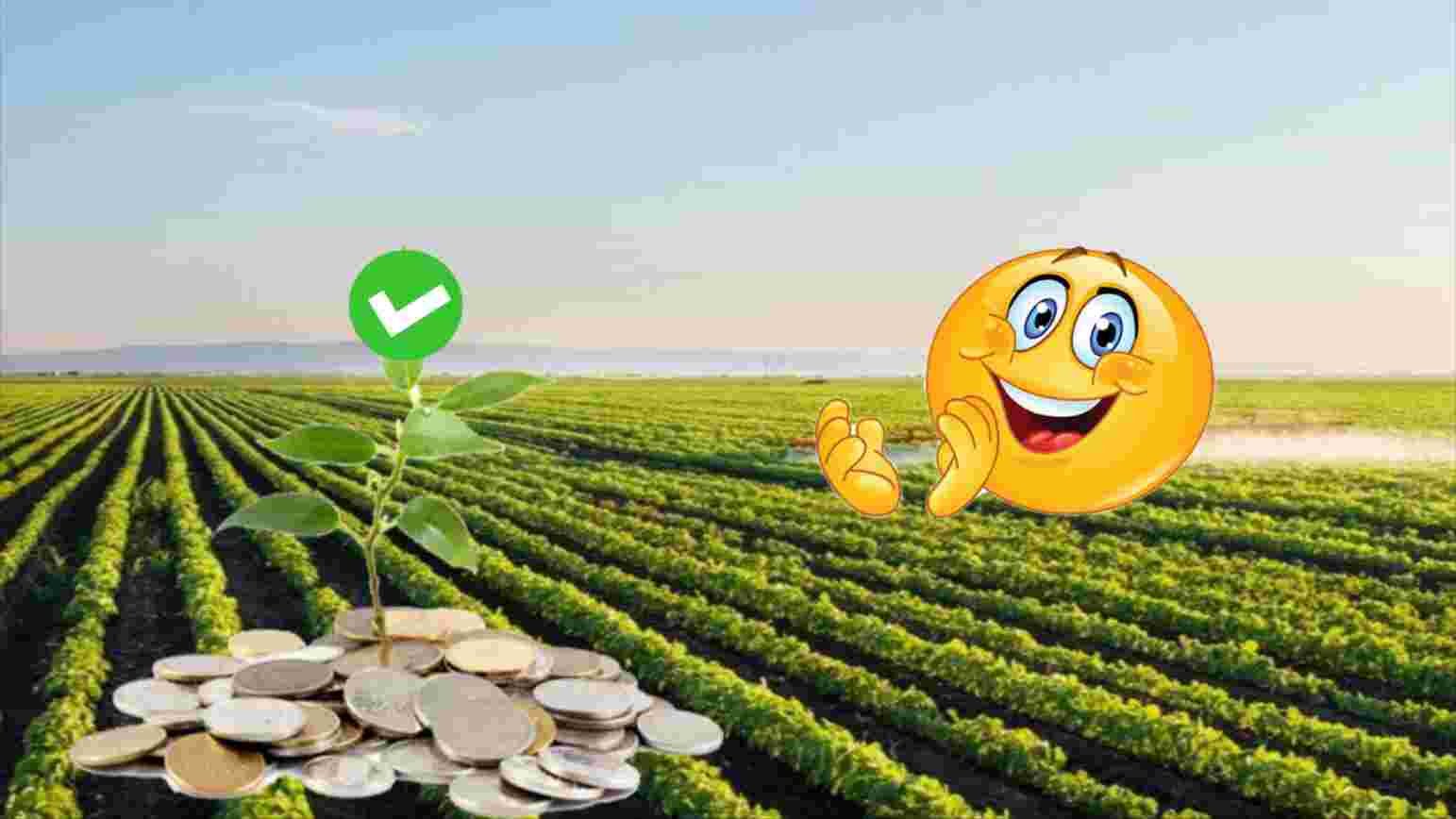
Protecting the Keystone State: A Comprehensive Guide to Pennsylvania Farmland Preservation Investments
Pennsylvania is often defined by its rolling hills, lush valleys, and the deep-rooted agricultural heritage that has sustained the Mid-Atlantic region for centuries. From the fertile soils of Lancaster County to the dairy heartlands of the northern tier, agriculture is more than just an industry in the Commonwealth—it is a way of life. However, as urban sprawl continues to creep outward from metropolitan hubs like Philadelphia, Pittsburgh, and Harrisburg, the state’s most precious resource—its farmland—is under constant threat.
In this exhaustive guide, we will explore the intricate world of Pennsylvania farmland preservation investments. We will delve into how these programs function, why they are essential for the economy and the environment, and what the future holds for those looking to invest in the longevity of the American food supply.
1. The Historical Context of Pennsylvania Agriculture
To understand why preservation investments are so critical today, one must first appreciate the history. Pennsylvania was founded on the backs of farmers. When William Penn first established the colony, he envisioned a “Greene Country Towne” and a land where agriculture would flourish. For over 300 years, Pennsylvania has consistently ranked among the top agricultural producers in the United States.
However, the late 20th century brought a shift. The post-war boom led to rapid suburbanization. Highway expansions made it possible for workers to live miles away from city centers, leading to the conversion of thousands of acres of prime soil into shopping malls, housing developments, and industrial parks. By the 1980s, Pennsylvanians realized that if they did not act, their heritage would be paved over.
2. Defining Farmland Preservation Investments
When we talk about “investments” in this context, we aren’t just talking about buying a farm. We are talking about Agricultural Conservation Easements.
What is an Easement?
An agricultural conservation easement is a legally binding agreement that restricts the use of a piece of land to agricultural purposes in perpetuity. In Pennsylvania, the state and county governments “buy” these development rights from farmers.
How the Investment Works:
- The Farmer’s Perspective: A farmer sells the “development rights” of their land. They still own the land, live on it, and farm it, but they can never sell it to a developer for a non-farm use. The cash injection from the sale of the easement can be used to pay off debt, buy new equipment, or facilitate a generational transfer.
- The Public’s Perspective: Taxpayer dollars are used to fund these purchases. The “return” on this investment isn’t a quarterly dividend, but rather food security, environmental protection, and the maintenance of the rural economy.
3. The Economic Impact of Farmland Preservation
Agriculture is Pennsylvania’s leading industry, contributing over $132 billion annually to the state’s economy. Investing in preservation is, therefore, a strategic economic move.
Job Creation
It isn’t just about the farmer. The agricultural supply chain supports over 590,000 jobs in the Commonwealth. This includes veterinarians, equipment dealers, seed suppliers, food processors, and truck drivers. By preserving the land, the state ensures that this entire economic ecosystem remains viable.
Cost of Community Services (COCS)
Research consistently shows that farmland is a net “plus” for local municipal budgets. Farmland requires very little in the way of public services—no schools, no massive police presence, and minimal road maintenance. Conversely, residential developments often cost more in services (especially schools) than they provide in tax revenue. Preserving land is a fiscal hedge against rising local taxes.
4. The “Warehouse Invasion” and Modern Challenges
One of the most pressing reasons for increased preservation investment in the 2020s is the explosion of the logistics and warehousing industry. Pennsylvania’s proximity to major East Coast markets makes it an ideal hub for e-commerce giants.
Thousands of acres of flat, well-drained farmland are being eyed for massive distribution centers. While these warehouses provide some jobs, they also bring heavy truck traffic, air pollution, and the permanent destruction of topsoil. Farmland preservation programs act as the “line in the sand” against this industrial creep.
5. Environmental Stewardship and Climate Resilience
Investing in farmland preservation is a key component of Pennsylvania’s environmental strategy, particularly concerning the Chesapeake Bay.
Soil Health as Carbon Sequestration
Healthy soil acts as a carbon sink. By keeping land in agricultural use and promoting “no-till” or cover-cropping practices, Pennsylvania prevents the massive carbon release that occurs when land is excavated for construction.
Water Quality
Preserved farms are often required to have a soil and water conservation plan. This reduces the runoff of nitrogen and phosphorus into local streams, eventually protecting the water quality of the Susquehanna River and the Chesapeake Bay.
6. Leading the Nation: Pennsylvania’s Gold Standard
Pennsylvania is a national leader in farmland preservation. No other state has preserved as many acres of farmland. As of 2024, the Commonwealth has surpassed 630,000 acres of preserved land across more than 6,300 farms.
Lancaster County: The Epicenter
Lancaster County is often cited as the most productive non-irrigated county in the United States. It is also the most preserved. The local community’s commitment to land stewardship, combined with robust state funding, has created a blueprint that other states now follow.
7. The Process: How a Farm Becomes Preserved
The investment process is rigorous. Not every farm qualifies. The Pennsylvania Department of Agriculture uses a scoring system based on:
- Soil Quality: Is the land “Prime” or “Farmland of Statewide Importance”?
- Clustering: Is the farm near other preserved farms? This creates a “critical mass” that keeps agricultural support businesses in the area.
- Development Pressure: Is the land at high risk of being turned into a subdivision?
The appraisal process determines the value of the easement by calculating the difference between the land’s “market value” (what a developer would pay) and its “agricultural value” (what a farmer would pay).
8. Strategic Investment for the Next Generation
A major hurdle for young farmers today is the price of land. When a farm’s development rights have already been sold, the market price of that land usually drops to its agricultural value. This makes it more affordable for a young person to enter the industry.
By investing in preservation today, the state is essentially subsidizing the entry of the next generation of food producers. This is vital for national security; a country that cannot feed itself is vulnerable.
9. Agritourism: A New Revenue Stream
Preserved farms are increasingly becoming destinations. From apple picking and corn mazes to “farm-to-table” dinners and weddings, agritourism allows preserved farms to diversify their income. This ensures the farm remains profitable even during years when commodity prices for corn or milk are low.
10. The Role of Private Investment and Land Trusts
While state and county programs are the heavy hitters, private land trusts (like the Lancaster Farmland Trust) play a massive role. These non-profits often act faster than government agencies and can leverage private donations to bridge the gap in funding. Many investors now choose to donate to these trusts as part of their ESG (Environmental, Social, and Governance) portfolios.
11. Funding the Future: Where the Money Comes From
The funding for these investments is a multi-tiered cake:
- State Funds: Often derived from cigarette taxes or environmental bonds.
- County Matches: Many Pennsylvania counties have dedicated “Green Spaces” taxes.
- Federal Funds: The Farm Bill provides significant funding through the Agricultural Conservation Easement Program (ACEP).
In recent years, Pennsylvania has seen record-breaking budget allocations for these programs, reflecting a bipartisan consensus that farmland is worth more than concrete.
12. Potential Risks and Considerations
No investment is without risk. For the state, the risk is that preserved land might become “idle” if farming is no longer profitable. For the farmer, the risk is the loss of flexibility—once the land is preserved, you can never change your mind. It requires a long-term vision that spans decades, not fiscal quarters.
Advice from xyzhelp.com
At xyzhelp.com, we believe that Pennsylvania’s farmland preservation is one of the most successful examples of long-term strategic planning in the United States. However, if you are a landowner or an investor looking into this space, we recommend the following:
- Understand the “Perpetuity” Clause: This is a “forever” agreement. Ensure that your estate planning accounts for the fact that the land’s value will be fundamentally different once the development rights are sold.
- Focus on Soil Health: The most valuable “preserved” farm is one that is also productive. Investments in regenerative agriculture should go hand-in-hand with land preservation.
- Stay Informed on Policy: While funding is currently strong, it is subject to the whims of the state legislature. Diversify your farm’s income streams through agritourism or value-added products (like cheese or cider) to ensure you aren’t solely dependent on the land’s equity.
- Consult Professionals: Never enter a preservation agreement without a specialized attorney and a tax professional who understands the unique implications of the Pennsylvania Agricultural Area Security Law (Act 43).
Pennsylvania’s soil is its soul. Protecting it isn’t just an environmental choice—it’s a sound financial investment for the stability and prosperity of the Commonwealth.
