Navigating the Aftermath: The Ultimate Guide to Truck Accident Lawyers in Ontario
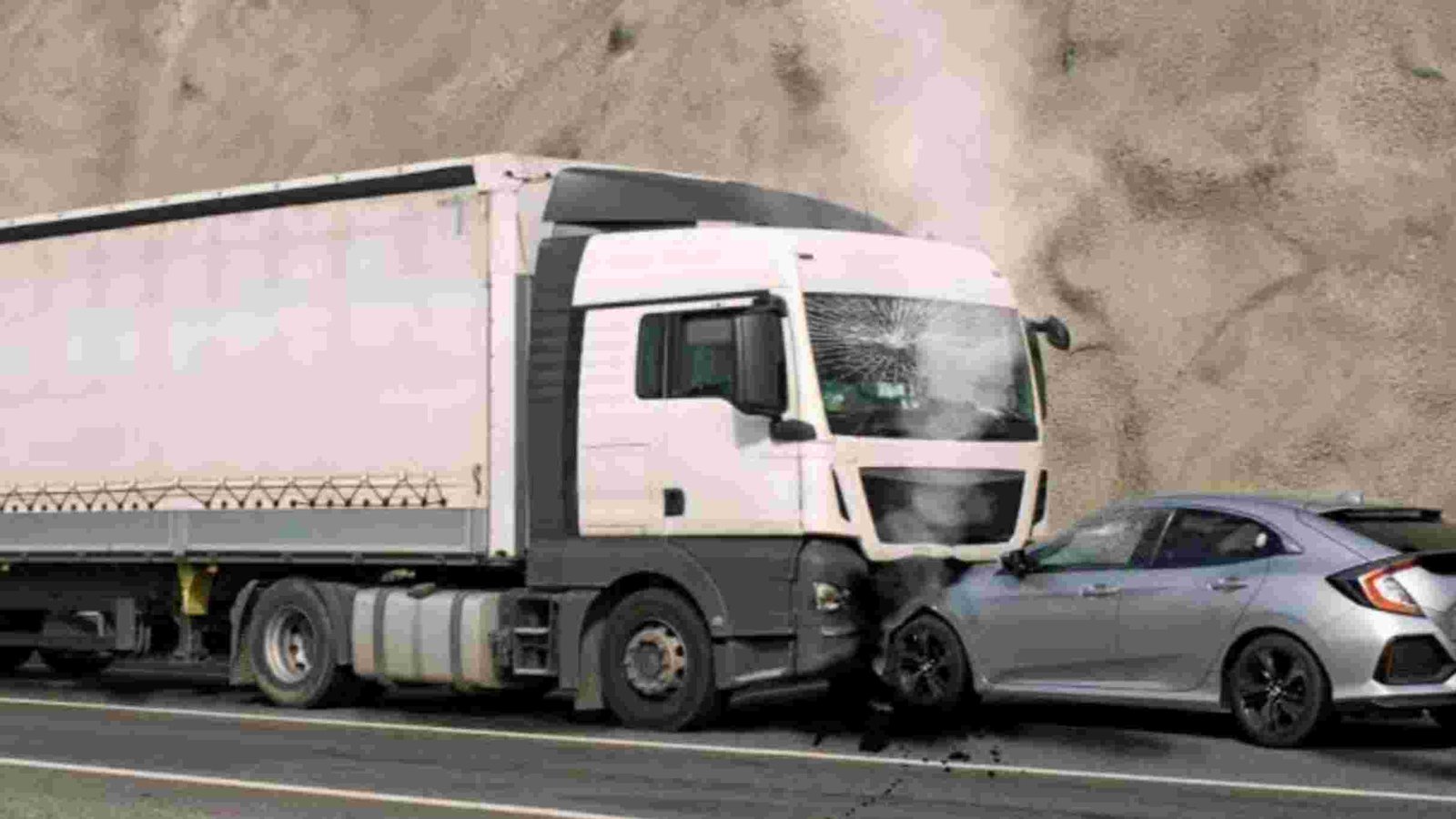
The highways of Ontario, from the bustling 401 to the winding stretches of the Trans-Canada, are the lifeblood of the Canadian economy. Every day, thousands of massive commercial vehicles—semi-trucks, tractor-trailers, and delivery vans—crisscross the province. However, when these behemoths are involved in a collision, the results are rarely minor. They are often catastrophic.
If you or a loved one has been involved in a collision with a commercial vehicle, seeking a truck accident lawyer in Ontario is not just a recommendation; it is a necessity for your physical, emotional, and financial recovery. This guide dives deep into the complexities of trucking litigation, the unique laws of Ontario, and how you can protect your rights against powerful insurance companies and logistics corporations.
1. Why Truck Accidents Are Different from Typical Car Accidents
Many people assume that a truck accident is simply a “larger version” of a car accident. This is a dangerous misconception. From a legal and medical perspective, truck accidents exist in a completely different category.
The Physics of Destruction
A fully loaded commercial truck can weigh up to 80,000 pounds, whereas the average passenger car weighs around 3,000 to 4,000 pounds. When these two collide, the passenger vehicle absorbs the vast majority of the kinetic energy. This leads to “catastrophic injuries”—a legal term in Ontario that refers to life-altering conditions like spinal cord damage, traumatic brain injuries (TBI), or amputations.
The Complexity of Liability
In a car accident, you usually sue the other driver. In a truck accident, the web of liability is much larger. Potential defendants include:
- The Driver: For fatigue, distraction, or impairment.
- The Trucking Company: For negligent hiring or forcing drivers to exceed legal driving hours.
- The Maintenance Provider: For faulty brakes or poorly maintained tires.
- The Cargo Loader: If improperly secured cargo caused the truck to jackknife or roll over.
- The Manufacturer: If a specific part of the truck failed due to a design flaw.
Higher Insurance Policy Limits
Commercial trucks carry significantly higher insurance policies than private citizens. While this means there is more money available for your settlement, it also means the insurance companies will fight ten times harder to avoid paying it. They have “Go Teams” of investigators who arrive at accident scenes within hours to begin building a defense.
2. Understanding Ontario’s Insurance System: No-Fault vs. Tort
Ontario operates under a “no-fault” insurance system, but the name is misleading. It does not mean nobody is at fault; it means that regardless of who caused the accident, your own insurance company pays for your immediate Statutory Accident Benefits (SABS).
Statutory Accident Benefits (SABS)
Regardless of the truck driver’s negligence, you are entitled to:
- Medical and Rehabilitation Benefits: Physical therapy, specialized equipment, and medication.
- Attendant Care Benefits: If you require help with daily living activities.
- Income Replacement: Usually 70% of your gross weekly income, up to a maximum of $400 per week (unless you purchased optional upgrades).
- Non-Earner Benefits: For students or seniors who cannot carry on a normal life.
The Tort Claim (The Lawsuit)
SABS are rarely enough to cover the true cost of a serious truck accident. This is where your truck accident lawyer files a “Tort Claim” against the negligent parties. This lawsuit seeks compensation for:
- Pain and Suffering (Non-Pecuniary Damages): Compensation for the loss of enjoyment of life.
- Future Care Costs: The lifetime cost of medical care.
- Loss of Future Income: If you can no longer work in your chosen profession.
- Family Law Act Claims: Compensation for family members who have lost the care, guidance, and companionship of the victim.
3. Common Causes of Truck Accidents in Ontario
To win a case, your lawyer must prove negligence. In Ontario, trucking accidents often stem from a few specific violations of safety protocols.
Driver Fatigue and “Hours of Service” Violations
Truck drivers are governed by strict federal and provincial “Hours of Service” (HOS) regulations. These laws dictate how many hours a driver can be behind the wheel before they must rest. Unfortunately, many drivers are pressured by their employers to meet “just-in-time” delivery schedules, leading them to falsify logbooks and drive while exhausted.
Equipment Failure
Ontario’s Ministry of Transportation (MTO) has strict standards for vehicle inspections. However, many companies cut corners on:
- Brake Maintenance: Overheated or poorly adjusted brakes are a leading cause of rear-end collisions.
- Tire Blowouts: Using retreaded tires on steering axles or ignoring worn treads.
- Lighting and Reflectors: Making the truck invisible to other drivers at night or during Ontario’s frequent snowstorms.
Distracted Driving and Substance Abuse
With the rise of smartphones, distracted driving has become an epidemic. Furthermore, the use of stimulants to stay awake or other substances to manage the stress of the road remains a persistent issue in the industry.
Improper Loading and Weight Distribution
An overloaded truck requires a much longer distance to stop. If cargo shifts during a turn because it wasn’t secured properly, it can cause the truck to roll over, crushing vehicles in adjacent lanes.
4. The Critical Role of Evidence: The “48-Hour Window”
In truck litigation, evidence disappears quickly. Trucking companies are legally allowed to destroy certain records after a specific period (sometimes as short as six months). This is why hiring a lawyer immediately is vital.
The “Black Box” (Electronic Logging Device – ELD)
Modern trucks are equipped with ELDs and Event Data Recorders (EDR). This technology records:
- The speed of the truck at the moment of impact.
- Whether the brakes were applied.
- The GPS location and hours of operation.
- Engine performance data.
Dashcam Footage
Many commercial fleets now use dual-facing dashcams. These cameras record both the road ahead and the driver’s behavior inside the cab. This footage is often the “smoking gun” that proves a driver was texting or nodding off before the crash.
CVOR (Commercial Vehicle Operator’s Registration)
Your lawyer will pull the trucking company’s CVOR record. This is a public record maintained by the Ontario government that tracks a company’s safety rating, previous violations, and accident history. If a company has a “Conditional” or “Unsatisfactory” rating, it strengthens your case for “punitive damages.”
5. Navigating the Legal Process in Ontario
The path from the accident scene to a settlement check is long and complex. Here is what you can expect when working with an Ontario truck accident lawyer.
Initial Consultation and Investigation
The process begins with a free consultation. Your lawyer will assess the merits of your case and immediately send “Letters of Preservation” to the trucking company, demanding that they do not destroy logbooks, maintenance records, or the truck itself.
Filing the Statement of Claim
Once the parties are identified, your lawyer will file a Statement of Claim in the Ontario Superior Court of Justice. This document outlines the facts of the accident and the specific damages you are seeking.
Discovery Phase
This is the most time-consuming part of the litigation. Both sides exchange documents (Affidavits of Documents) and participate in “Examinations for Discovery.” This is where you, the truck driver, and representatives from the trucking company testify under oath.
Mediation
In many Ontario jurisdictions, such as Toronto, Windsor, and Ottawa, mediation is mandatory. A neutral third party helps both sides try to reach a settlement without going to trial. Most truck accident cases are settled during or shortly after mediation.
Trial
If a settlement cannot be reached, the case goes to trial before a judge or a judge and jury. While trials are rare (less than 5% of cases go this far), having a lawyer with a proven track record in the courtroom is essential to force the insurance company to take you seriously.
6. Calculating the Value of Your Claim
What is a truck accident case worth? There is no “calculator” for this, as every case is unique. However, several factors influence the final settlement amount.
The Severity of Injury
Under Ontario law, there is a “deductible” for non-pecuniary (pain and suffering) damages. As of 2024, if your pain and suffering award is below a certain threshold (roughly $150,000), a deductible of approximately $46,000 is applied. If your injuries are “catastrophic,” the deductible is waived, and the potential award is much higher.
Degree of Fault (Contributory Negligence)
Ontario uses a “comparative negligence” rule. If the court finds that you were 25% at fault for the accident (e.g., you were speeding), your total compensation will be reduced by 25%. A skilled lawyer works to minimize your percentage of fault.
Economic Losses
This is the most objective part of the claim. It includes:
- Lost wages from the date of the accident to the date of the trial.
- Estimated future loss of earnings based on actuarial reports.
- The cost of home modifications (ramps, stairlifts).
- The cost of private healthcare services not covered by OHIP.
7. Choosing the Right Truck Accident Lawyer in Ontario
Not all personal injury lawyers are equipped to handle truck accidents. When interviewing a firm, ask the following questions:
- Do you have experience with Federal and Provincial trucking regulations? (e.g., the Highway Traffic Act and the Motor Vehicle Transport Act).
- Can you handle “Cross-Border” litigation? Many trucks in Ontario are owned by US-based companies. Your lawyer must understand how to serve legal papers across the border and navigate international insurance conflicts.
- Do you work on a “Contingency Fee” basis? Most reputable firms do not charge upfront fees. They only get paid if they win your case.
- Do you have a network of experts? A strong case requires accident reconstructionists, vocational therapists, and medical specialists.
8. Frequently Asked Questions (FAQ)
How long do I have to sue after a truck accident in Ontario?
Generally, the Statute of Limitations in Ontario is two years from the date of the accident. However, there are much shorter notice periods for SABS claims (usually 7 days to notify the insurer and 30 days to apply).
Can I still sue if the truck was from the United States?
Yes. If the accident happened in Ontario, the laws of Ontario apply. However, the litigation becomes more complex as it involves international insurance laws and potentially the US courts if the company has no assets in Canada.
What if I was partially at fault?
You can still recover damages as long as you were not 100% at fault. Your compensation will simply be reduced by your percentage of responsibility.
Advice from xyzhelp.com
At xyzhelp.com, we have seen the life-shattering impact that a commercial truck collision can have on a family. If you find yourself in this position, our strongest advice is to prioritize your health first, but your legal protection second.
The trucking industry is backed by multi-billion dollar insurance conglomerates whose primary goal is to minimize your payout. Do not sign any documents, do not provide a recorded statement to the truck’s insurance adjuster, and do not accept a “quick settlement” offer. These early offers are almost always a fraction of what you truly deserve and will likely not cover your long-term medical needs.
Document everything. Take photos of the scene, the truck’s license plate, the name on the side of the cab, and your injuries. Most importantly, consult with a specialized truck accident lawyer who understands the unique landscape of Ontario law. Your recovery—both physical and financial—depends on the strength of the advocates you choose to stand by your side.
Stay safe, stay informed, and remember that you do not have to face this journey alone.
